
How Weather Exposure Impacts Residential Stamped Concrete Surfaces
Homeowners seeking residential stamped concrete repair can rely on local contractors to address weather-related damage and restore surface durability effectively.
Understanding how weather exposure impacts residential stamped concrete surfaces is essential for property owners looking to maintain the beauty and durability of their outdoor spaces. Weather conditions such as temperature fluctuations, rain, and sunlight can affect the appearance and structural integrity of stamped concrete over time. Homeowners in the area who notice cracks, fading, or surface wear may find that professional repair and restoration services offered by local contractors can help address these issues effectively, preserving the value of their property.
Exploring this topic can provide practical insights into how to protect stamped concrete surfaces against common weather-related challenges. Whether preparing for seasonal changes or addressing existing damage, property owners can benefit from the expertise of local service providers skilled in stamped concrete repair. Keeping surfaces in top condition not only enhances curb appeal but also ensures that outdoor areas remain safe and functional for years to come.
- Residential property owners may need stamped concrete repair when weather exposure causes surface cracking or deterioration, and local contractors can assess and restore the surface effectively. - When fading or discoloration occurs due to prolonged exposure to sun and rain, local service providers can perform resurfacing to restore the concrete’s appearance. - Excess moisture or freeze-thaw cycles can lead to surface pitting, and local pros use specialized techniques to repair and reinforce stamped concrete surfaces. - Cracks resulting from temperature fluctuations often require professional patching and sealing, which local contractors can handle to prevent further damage. - Damage from weather-related staining or efflorescence can be addressed by local pros through cleaning and surface treatment to maintain the stamped concrete’s integrity.
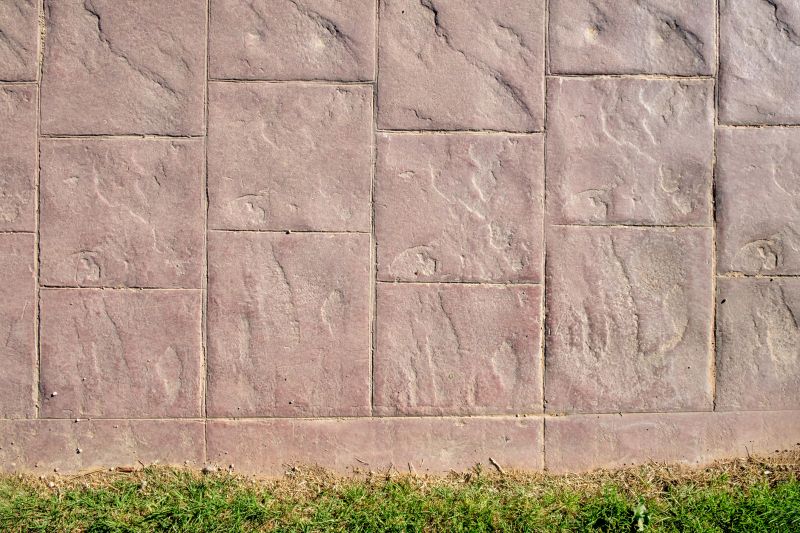
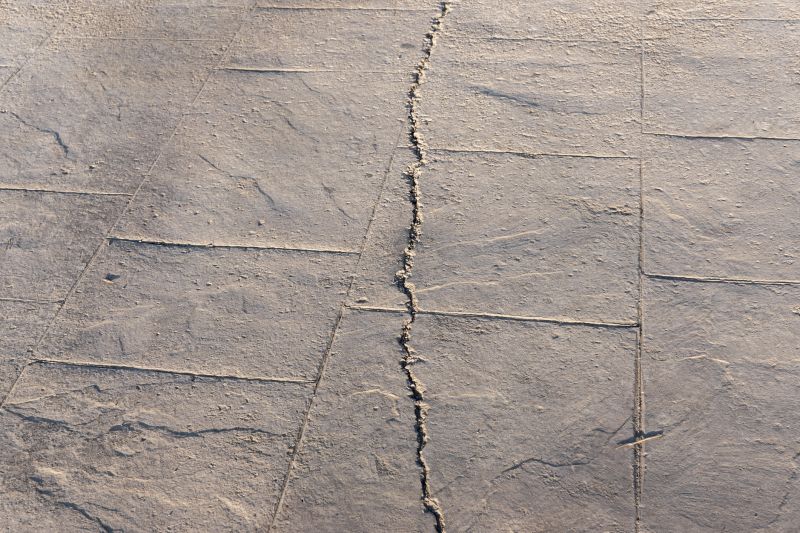
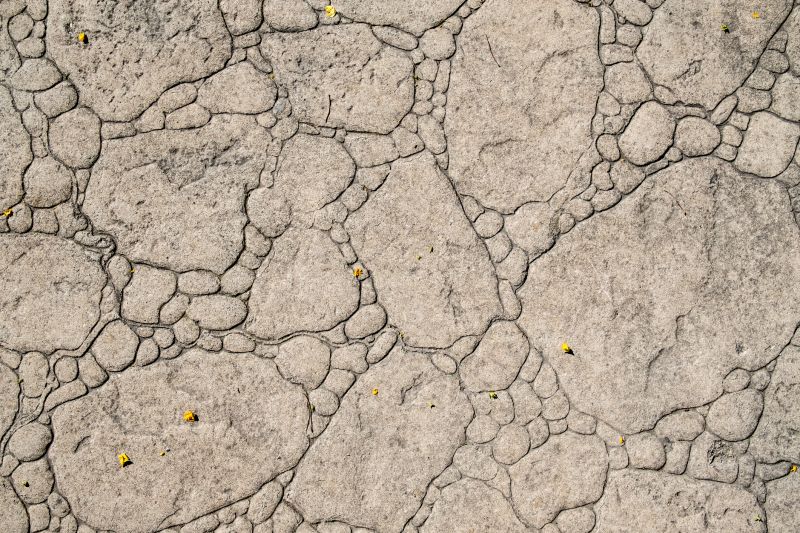
Understanding how weather exposure impacts residential stamped concrete surfaces is essential for homeowners considering or maintaining decorative concrete features. When people search for this topic, they are often looking to learn how various weather conditions-such as rain, snow, extreme heat, or freezing temperatures-can affect the appearance and durability of stamped concrete. This knowledge helps homeowners anticipate potential issues and plan for repairs or protective measures to preserve their investment. It’s common for property owners to seek guidance on how weather-related factors might lead to surface damage, discoloration, or surface deterioration over time, especially in regions with unpredictable or harsh weather patterns.
This topic is closely related to projects involving the installation, repair, or ongoing maintenance of stamped concrete surfaces on residential properties. Many homeowners are interested in understanding how weather exposure can cause cracking, surface erosion, or color fading, which may necessitate repairs or refinishing. Such concerns often arise when planning new decorative concrete installations or when evaluating the condition of existing stamped surfaces that have been subjected to weather extremes. Property owners might also be exploring options to protect their surfaces, such as sealing or coating, to mitigate weather-related damage and extend the lifespan of their stamped concrete features.
The types of properties most frequently associated with this topic include single-family homes, townhouses, and residential estates that feature stamped concrete driveways, patios, walkways, or pool decks. These surfaces are typically exposed to the elements and are integral to the curb appeal and functionality of outdoor living spaces. Homes located in areas with significant seasonal changes or high humidity levels often see greater impacts from weather exposure. Homeowners with these properties may be particularly interested in how weather conditions influence the longevity and appearance of their stamped concrete, and they often seek the expertise of local contractors who specialize in repair and maintenance to address weather-related issues.
Local service providers who focus on residential stamped concrete repair are well-equipped to assess how weather exposure has affected a specific surface. They can identify signs of weather-related damage, recommend appropriate repairs or protective treatments, and advise on best practices for ongoing maintenance. Whether it involves fixing cracks caused by freeze-thaw cycles, restoring color fading from sun exposure, or applying sealants to prevent future damage, these professionals play a vital role in helping property owners maintain the beauty and durability of their stamped concrete surfaces. Connecting with experienced local contractors ensures that weather-related impacts are properly managed, preserving the value and appearance of outdoor concrete features for years to come.
Patio and Walkway Installations - These projects require careful planning of surface durability and weather resistance, similar skills used in stamped concrete repair to ensure longevity against weather exposure.
Driveway Resurfacing - Local contractors often address surface wear caused by weather, applying techniques that help stamped concrete withstand temperature fluctuations and moisture damage.
Outdoor Living Space Construction - Building features like fire pits and seating areas involves selecting and installing durable surfaces that resist weather-related deterioration, aligning with stamped concrete considerations.
Pool Deck Renovations - Repairing or installing pool decks involves managing moisture and temperature impacts, requiring expertise similar to that needed for weather-resistant stamped concrete surfaces.
Landscape Hardscape Projects - Hardscape features such as retaining walls and patios require planning for weather exposure, paralleling the skills used in maintaining stamped concrete surfaces.
Concrete Surface Restoration - Restoring weather-damaged concrete surfaces involves techniques that enhance resistance to environmental factors, similar to those used in stamped concrete repair services.
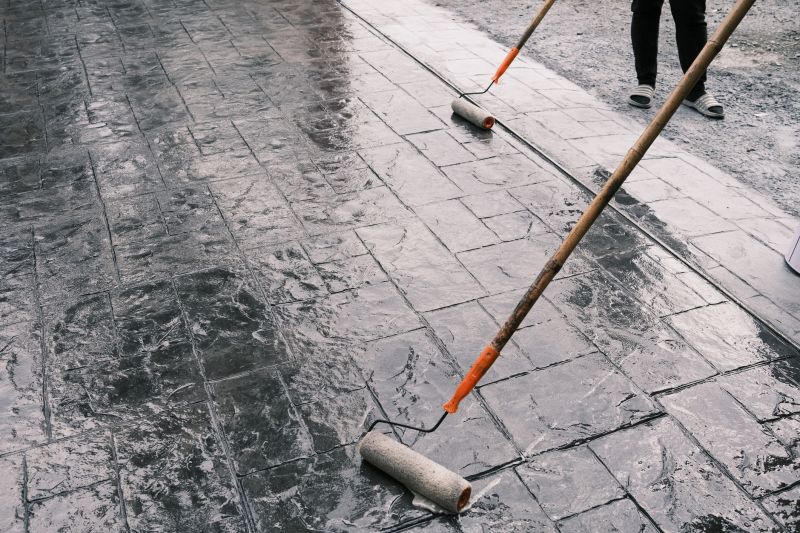
When evaluating local contractors for residential stamped concrete repair, it is important to consider their experience with similar projects, especially those involving weather-related impacts. Contractors who have successfully handled repairs on surfaces exposed to various weather conditions are more likely to understand the unique challenges that weather exposure can create, such as cracking, spalling, or surface deterioration. Asking about their past work on stamped concrete affected by weather can provide insight into their familiarity with the issues and their ability to deliver effective solutions tailored to your specific environment.
Clear written expectations are vital when comparing service providers for stamped concrete repair. A reputable contractor should be able to outline the scope of work, the materials to be used, and the repair process in a straightforward manner. This transparency helps ensure that both parties have aligned expectations and can reduce misunderstandings. Additionally, obtaining references from previous clients who experienced similar weather conditions can offer valuable perspectives on the contractor’s reliability and the quality of their work in weather-exposed environments.
Effective communication is a key factor when choosing local contractors for stamped concrete repair services. Contractors who are responsive and willing to answer questions demonstrate professionalism and a commitment to customer satisfaction. Good communication also facilitates a clearer understanding of how weather exposure impacts the durability of stamped concrete surfaces and what repair strategies are most appropriate. By selecting service providers who prioritize open dialogue and provide comprehensive information, homeowners can feel more confident in their choice and better prepared to address the effects of weather on their stamped concrete surfaces.
Property owners often search for how weather exposure impacts residential stamped concrete surfaces when they are planning practical projects around their homes and businesses. Local pros provide Residential Stamped Concrete Repair services for everyday jobs and straightforward project options.
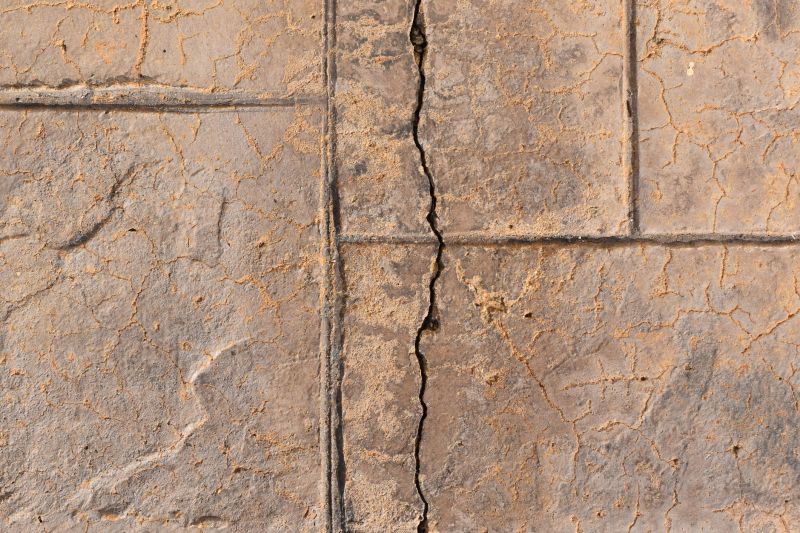
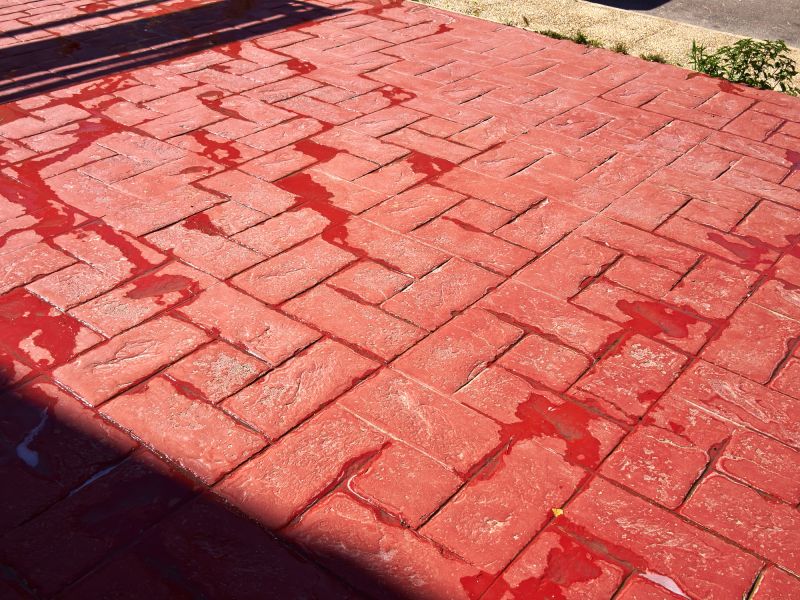
Weather exposure can significantly influence the durability and appearance of residential stamped concrete surfaces. In areas with frequent temperature fluctuations, moisture, or direct sunlight, concrete can develop issues such as cracking, surface erosion, or color fading over time. Property owners noticing these signs often seek the expertise of local contractors who specialize in stamped concrete repair to restore the surface’s integrity and aesthetic appeal. Addressing weather-related damage promptly can help extend the lifespan of the stamped concrete and maintain its visual appeal for years to come.
Understanding how weather impacts stamped concrete surfaces is especially important for homeowners planning repairs or upgrades. Exposure to rain, snow, or intense heat can accelerate wear and cause surface imperfections that require professional attention. Local service providers experienced in stamped concrete repair can assess the damage caused by weather conditions and recommend suitable solutions. Connecting with these experts ensures that repairs are handled properly, helping property owners preserve the value and beauty of their stamped concrete surfaces despite ongoing weather challenges.
How does weather exposure affect the durability of residential stamped concrete surfaces? Weather exposure can lead to cracking, spalling, or surface erosion in stamped concrete, especially when it undergoes freeze-thaw cycles or heavy rainfall. Local contractors can assess and repair damage caused by weather to restore the surface's integrity.
Can weather conditions cause discoloration or fading in stamped concrete finishes? Yes, prolonged exposure to sunlight, rain, or temperature fluctuations can cause fading or uneven discoloration in stamped concrete. Skilled service providers can perform color restoration and sealing to maintain appearance.
What weather-related issues should homeowners watch for in stamped concrete surfaces? Homeowners should watch for surface cracking, efflorescence, or surface pitting, which can be signs of weather-related deterioration. Local pros can evaluate and address these problems to prevent further damage.
How do weather changes impact the need for repairs on stamped concrete surfaces? Seasonal weather shifts can accelerate wear and cause damage, making repairs necessary more frequently. Local contractors offer repair services to address weather-induced issues and extend the lifespan of the surface.
What maintenance can help protect stamped concrete from weather-related damage? Regular sealing, cleaning, and timely repairs can help protect stamped concrete from weather-related deterioration. Local service providers can assist with maintenance practices to preserve the surface’s appearance and strength.
Assess weather impact considerations - property owners can evaluate how seasonal changes might affect the appearance and durability of stamped concrete surfaces and plan for necessary repairs with local contractors.
Implement protective surface treatments - applying sealers or coatings can help mitigate weather-related damage, and local service providers can assist with proper application techniques.
Schedule repairs around weather patterns - timing concrete repair projects during favorable weather conditions can improve results and longevity, with local pros providing guidance on optimal scheduling.
Plan for ongoing weather-related maintenance - regular inspections and touch-ups by local contractors can help address weather-induced wear and preserve the aesthetic of stamped concrete surfaces.
If you are thinking about how weather exposure impacts residential stamped concrete surfaces for a property, this guide is meant to help you understand this topic, the typical project types, and how different options might fit your plans.
When you are ready, you can use the quote form on this page to share a few details about your project. From there, local pros can review the basics and follow up with options that match what you have in mind.